


ให้คำปรึกษาด้านผลิตภัณฑ์
ที่อยู่อีเมลของคุณจะไม่ถูกเผยแพร่ ช่องที่ต้องกรอกถูกทำเครื่องหมายไว้ *



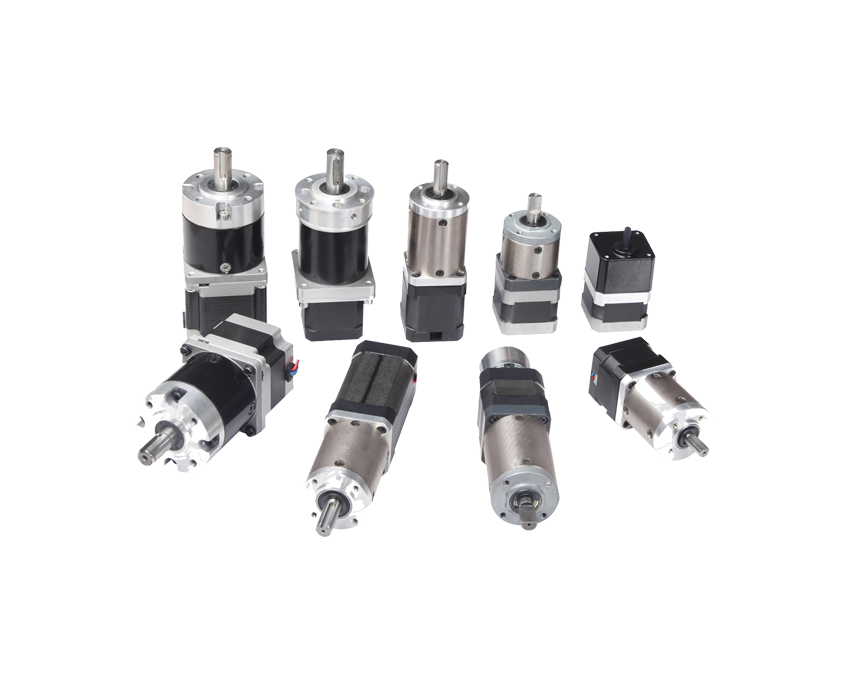
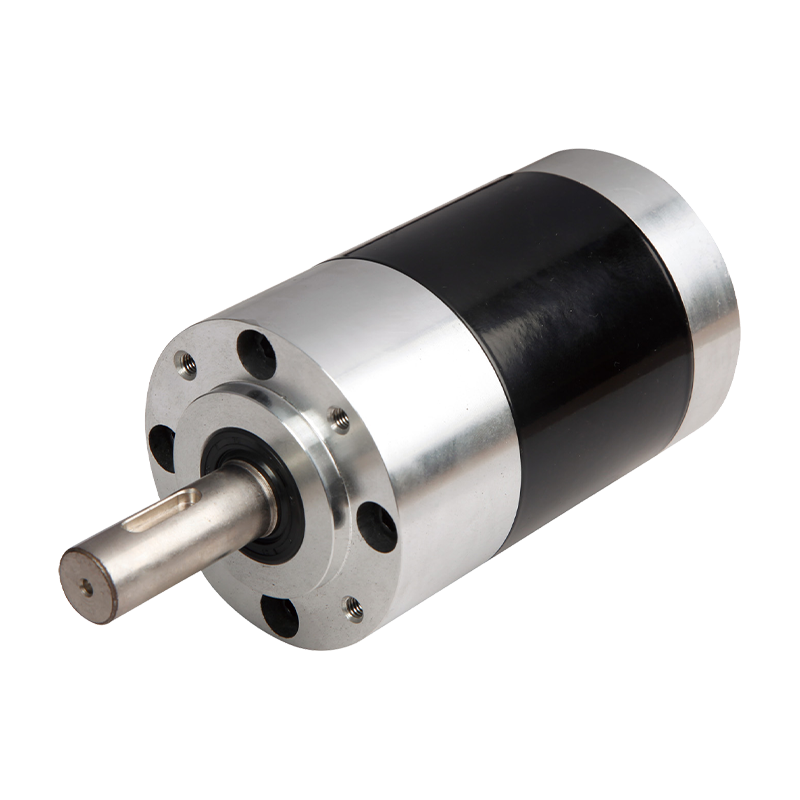
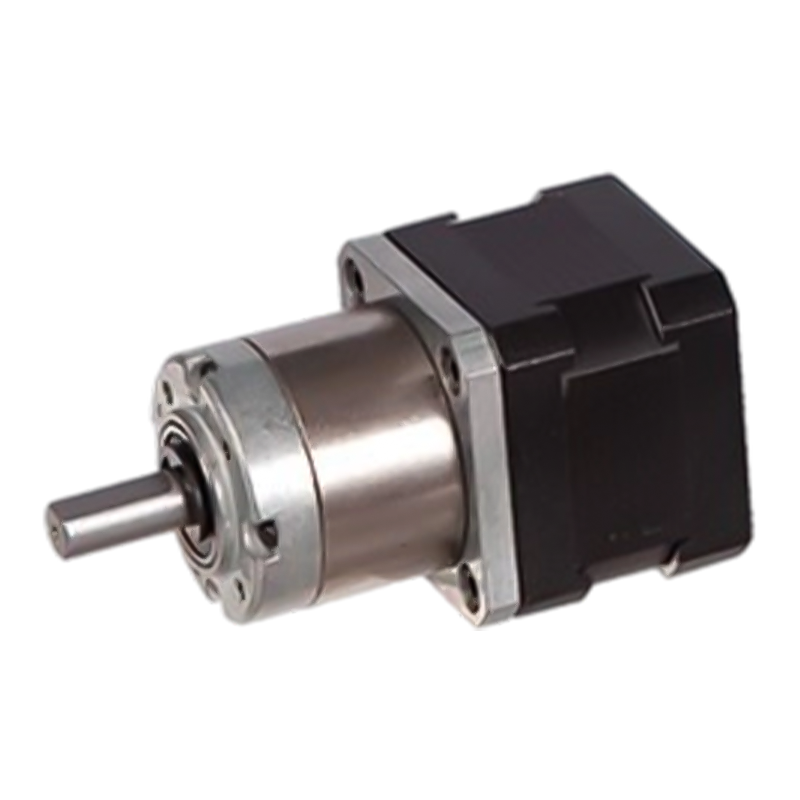
The integration of a precision gearbox with a standard stepper motor results in a specialized device—the geared stepper motor —that offers a compelling array of performance benefits, making it indispensable in numerous high-specification applications. While these motors retain the inherent advantage of open-loop positional accuracy, their core benefit is the powerful combination of increased torque density and enhanced positional resolution.
The primary and most celebrated advantage of using a gearhead is the dramatic increase in output torque . The gear reduction mechanism mechanically converts rotational speed into rotational force.
Handling Heavier Loads: The output torque of the geared assembly is approximately the motor's native torque multiplied by the gear reduction ratio (minus efficiency losses). This means a relatively small, cost-effective stepper motor can drive significantly heavier loads, overcome higher frictional forces, or utilize longer lever arms than it ever could without the gearing.
Motor Downsizing: This torque density allows engineers to specify a smaller frame-size motor than would otherwise be necessary for the application's load requirements. This leads to reduced size, weight, and power consumption for the overall system, offering a crucial advantage in space-constrained designs.
Improved Acceleration: The higher available torque means the system can achieve its target speed faster, improving overall cycle time and throughput.
The second crucial benefit stems from how the gear ratio affects the motor's step angle, leading to superior positional accuracy and resolution .
Finer Steps: A standard stepper motor might have a step angle. When a gearbox is attached, the output shaft's effective step angle becomes . This reduction provides micro-level control, drastically improving the precision with which the load can be positioned.
Smoother Motion at Low Speeds: Because the motor itself can operate at a higher, smoother velocity internally, and the gearing reduces the output speed, the visible motion of the load is inherently smoother and more consistent, minimizing resonance and vibration common in ungeared steppers operating at very low speeds.

A key, often overlooked, mechanical benefit is the impact of gearing on reflected inertia.
Inertia Matching: The gearbox reduces the load's inertia reflected back to the motor by the square of the gear ratio. This reduction makes it much easier for the motor to control the load, improving stability, decreasing the risk of losing steps , and simplifying the tuning process. It ensures the motor's control system is operating within its optimal limits.
Load Control: The inherent resistance provided by the gear train, particularly with high ratios, helps hold the load in place when power is removed (a form of back-driving resistance), which is valuable in vertical or highly frictional applications.
In summary, the geared stepper motor transforms a high-precision but torque-limited component into a high-torque, ultra-precise motion control device . It is the go-to solution when an application requires the synchronous benefits of immense driving force and extremely fine angular control within a compact form factor.
ที่อยู่อีเมลของคุณจะไม่ถูกเผยแพร่ ช่องที่ต้องกรอกถูกทำเครื่องหมายไว้ *
ลิขสิทธิ์ © เจ้อเจียงตงเจิ้งมอเตอร์บจก. สงวนลิขสิทธิ์.
 ผู้ผลิตมอเตอร์เกียร์กระแสตรง